from 0 review
2 hours
Daily Tour
20 people
English
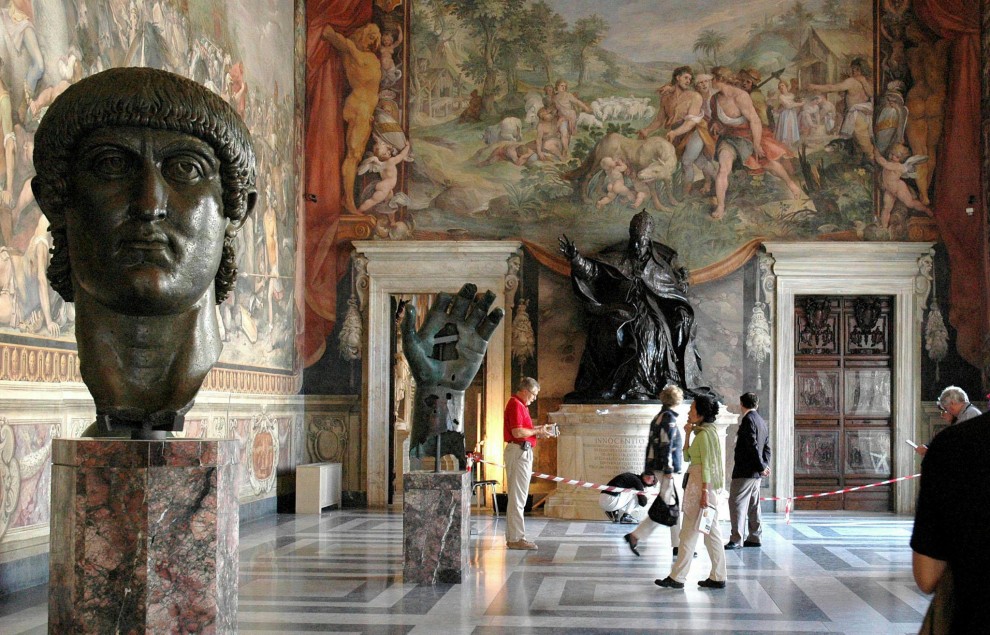
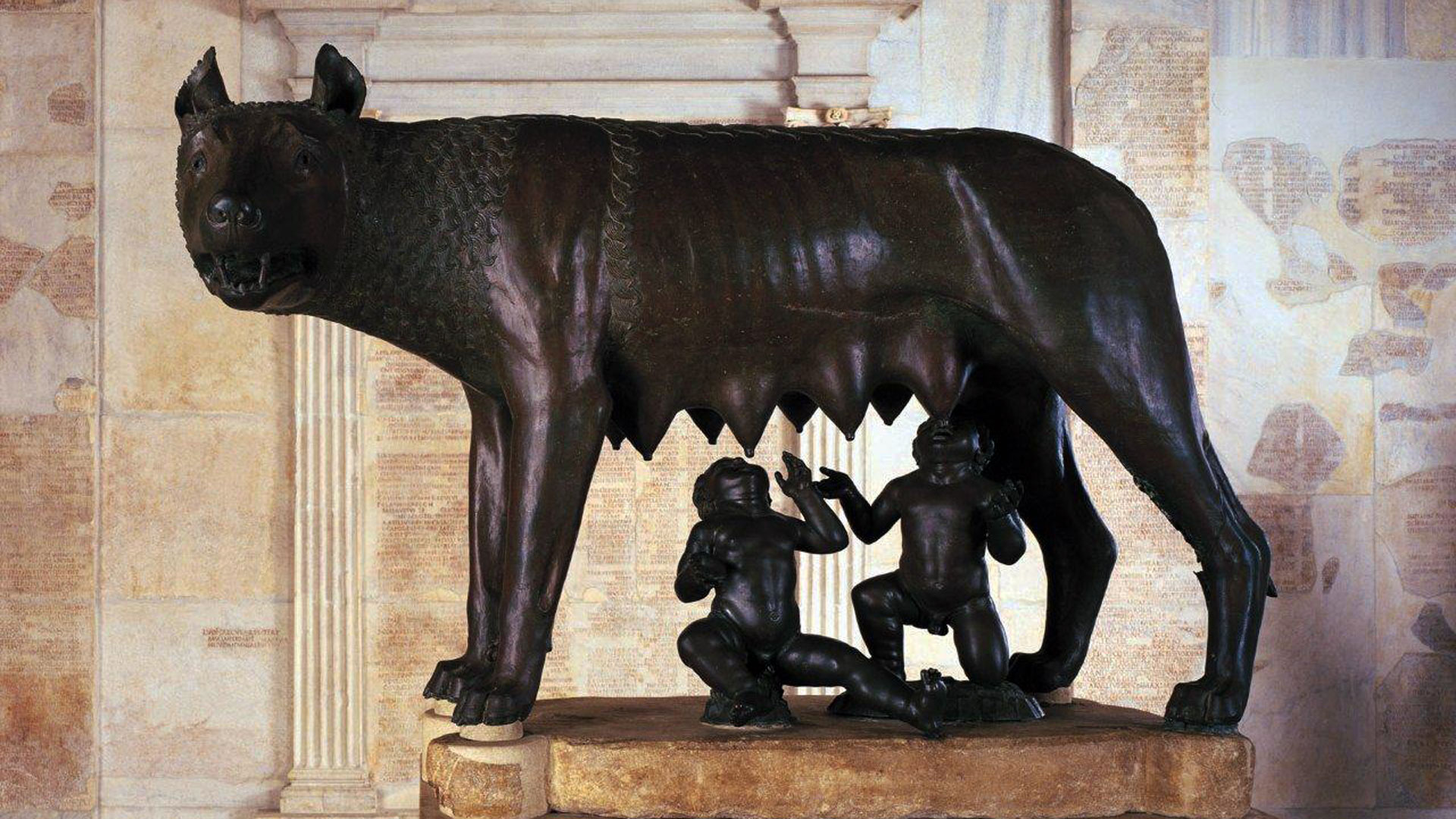
The origin of the first nucleus of the museums collection dates back to 15th century , when Pope Sixtus IV gave the famous Lateran bronzes to the city of Rome. This gift included the She wolf, the Spinario, the Camillus, the colossal head of Constantine with his hand and the Globe. Since then, the ancient sculptures have been collected on the Capitol, and thus the complex of the Capitoline Museum was born.
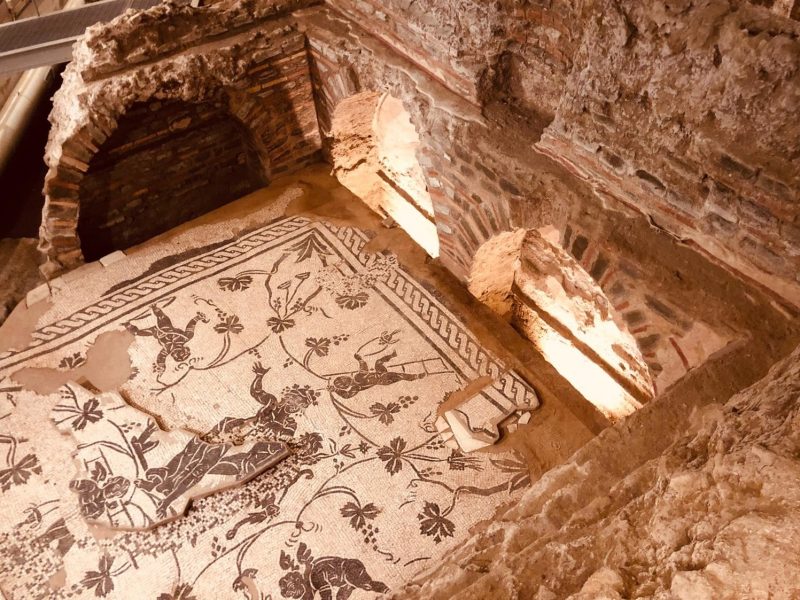
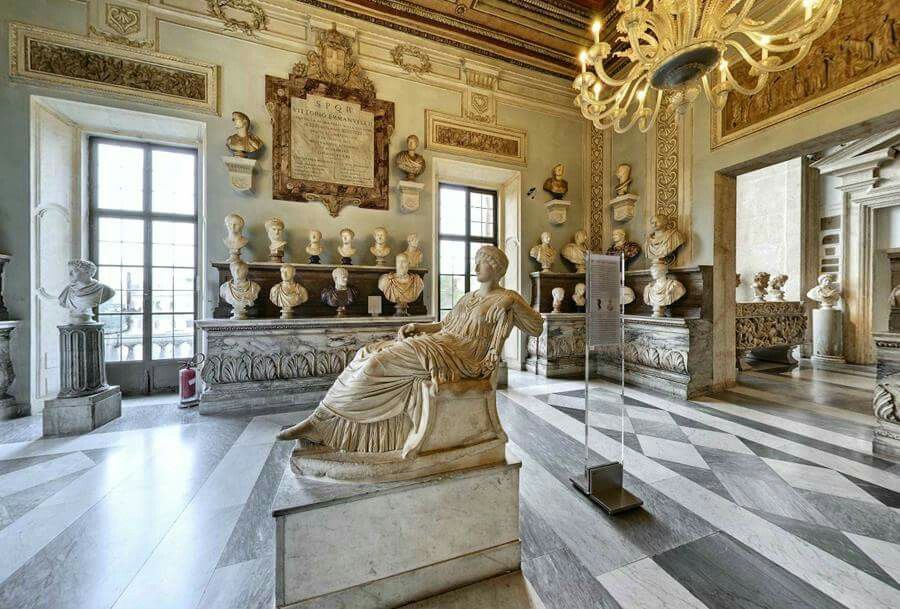
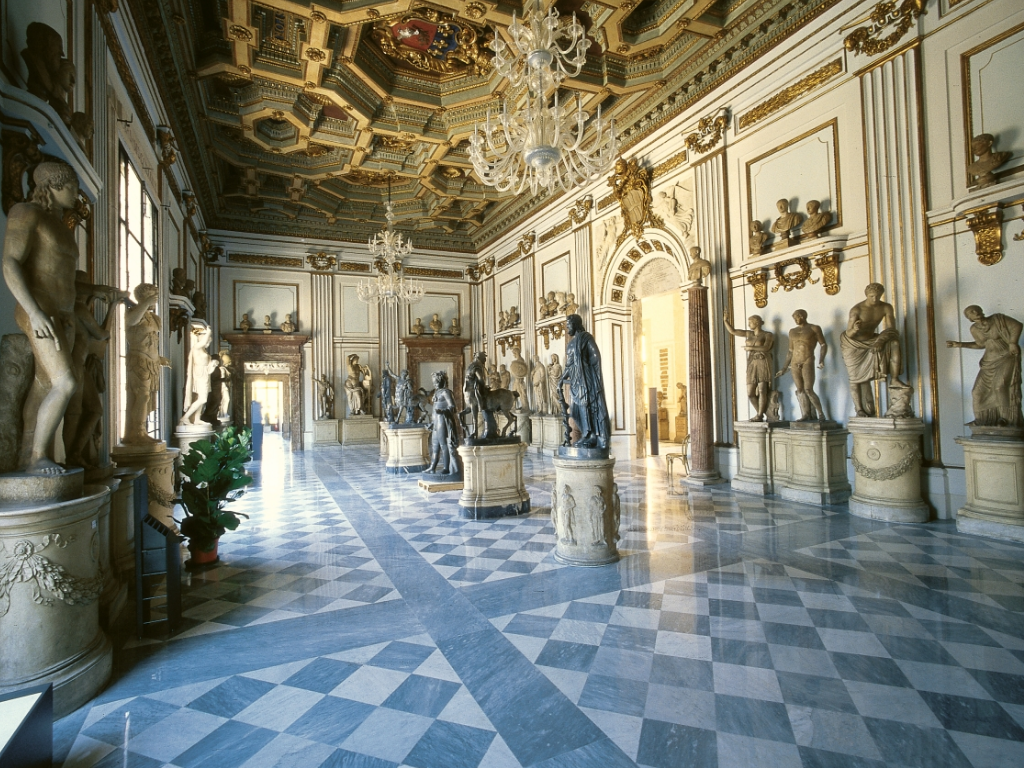
We will start our journey through this amazing place from Palazzo Nuovo, where you can admire many famous sculptures, including the Dying Galata, the Capitoline Venus, the two Centaurs and the Dancing Faun, but also reliefs, mosaics, bronzes from the Hellenistic to the Roman period and the wonderful busts of the rulers.
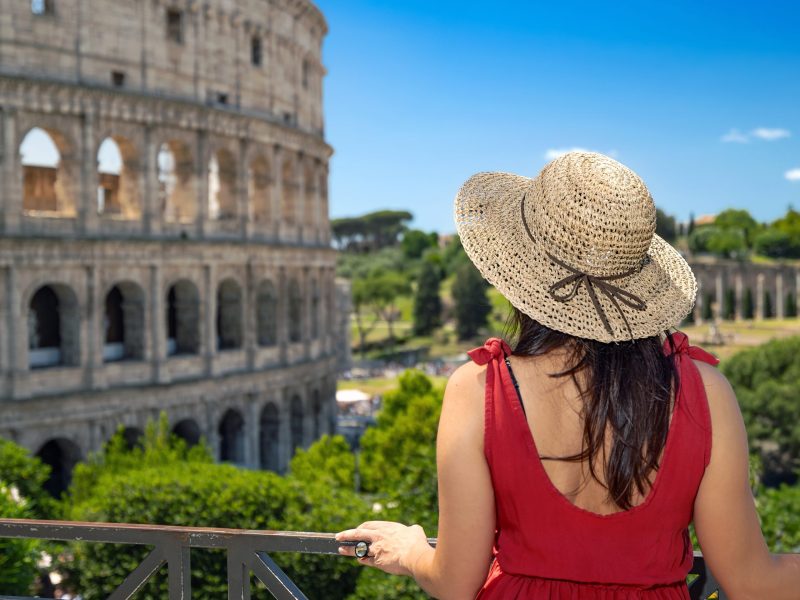
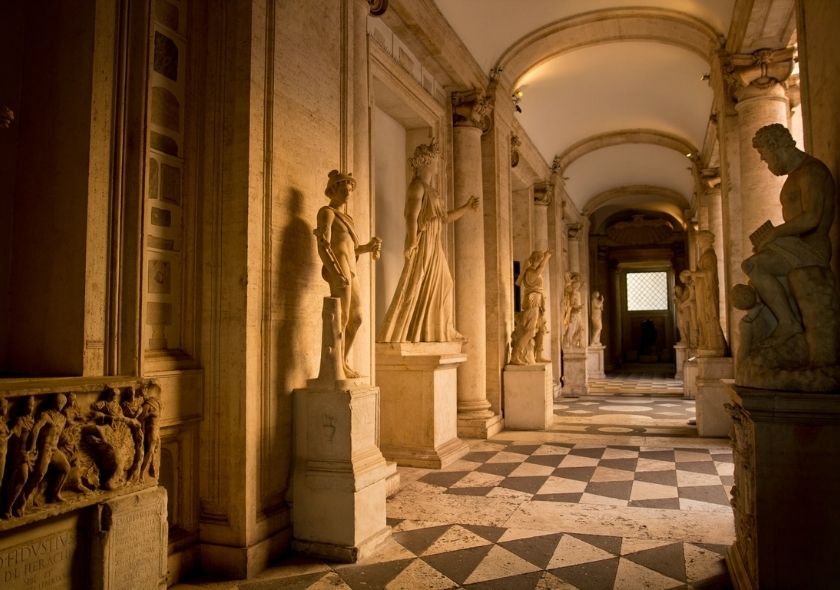
Through an underground passage we will reach the Lapidarium Gallery and the Tabularium inside the Palazzo dei Conservatori and where a splendid terrace overlooks the ruins of the of the Roman Forum and Colosseum.
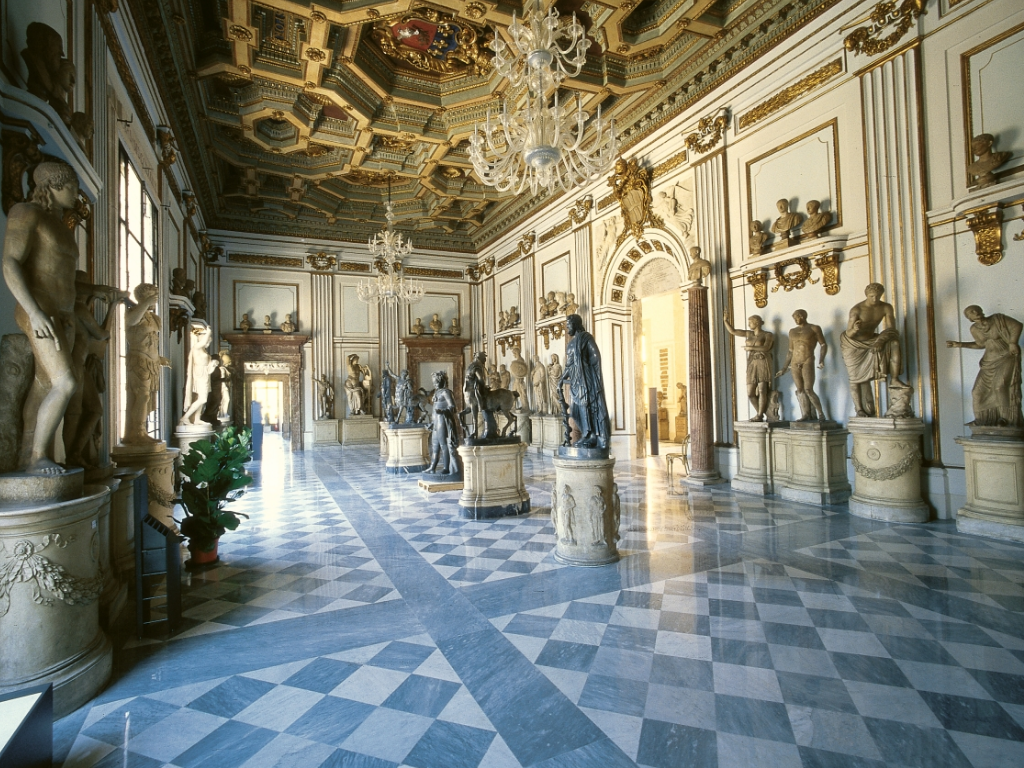
We will be able to admire the Egyptian, Etruscan and Christian collections and the famous bronzes: the Capitoline Wolf, the Spinario, the Capitoline Brutus. Among the richly decorated and frescoed rooms of the flat, one can admire the famous Sala degli Orazi e Curiazi.
We will proceed in direction of Pinacoteca , founded in 18th century by Pope Benedict XIV by acquiring two of the most important Roman collections. Later enriched by donations, purchases, and bequests.
Inside this amazing place You can relax by exploring the works of Caravaggio, Pietro da Cortona, Guercio, Tintoretto, Annabelle Carracci, Paolo Veronese, Titian, Rubens, Antonio Van Dyck, and many other artists.
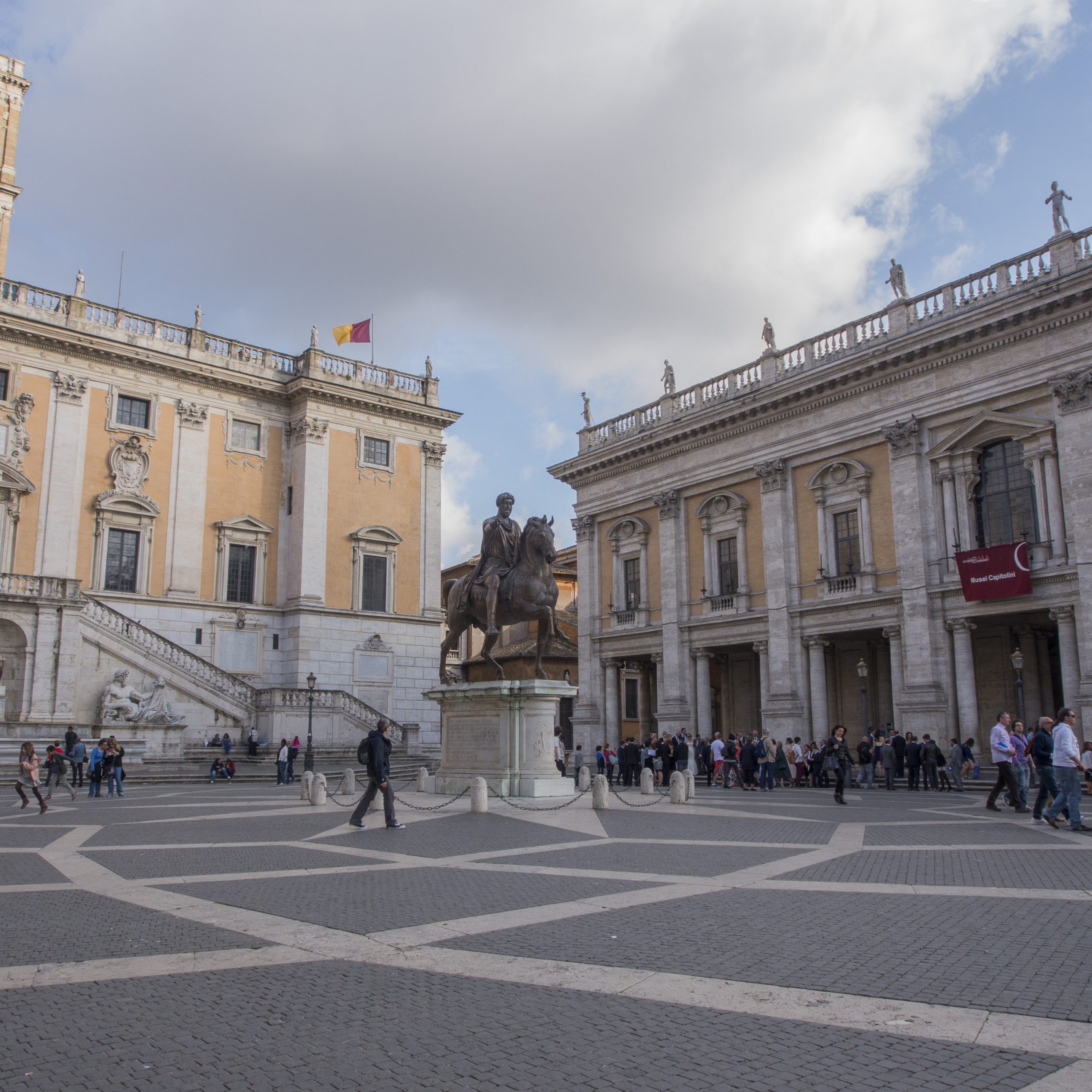
Finally Your journey will lead You into the new Roman Garden where you can admire the equestrian statue of Marcus Aurelius and the bronze fragments of the emperor Constantine in a large glass hall.

Meeting point:
Piazza Venezia

Forbidden: carry large umbrellas, no trolley, suitcases , but chekroom is available

The Capitoline Museums (Musei Capitolini) are the world's oldest public museums, founded in 1471. Located on Capitoline Hill, they house one of the finest collections of Ancient Roman sculptures, Renaissance art, archaeological artifacts, and historical treasures.
Most tours include reserved entry to the Capitoline Museums, a licensed professional guide, and expert commentary on the museum's most important sculptures, paintings, archaeological collections, and the history of Capitoline Hill.
The museums are famous for their exceptional collection of Ancient Roman art, including the iconic Capitoline Wolf, the Equestrian Statue of Marcus Aurelius, the Dying Gaul, and impressive Renaissance paintings displayed in magnificent historic palaces.
Visitors explore the Palazzo dei Conservatori, Palazzo Nuovo, and the underground Tabularium, where they can admire classical sculptures, inscriptions, mosaics, ancient bronzes, medieval art, and spectacular views of the Roman Forum.
Most guided tours last 2 to 3 hours, allowing enough time to explore the museum's major collections and learn about Rome's history.
Yes. The tour is an excellent introduction to Ancient Rome, making it ideal for first-time visitors as well as history enthusiasts.
The Capitoline Wolf is one of Rome's most famous symbols, depicting the legendary she-wolf nursing Romulus and Remus, the mythical founders of Rome.
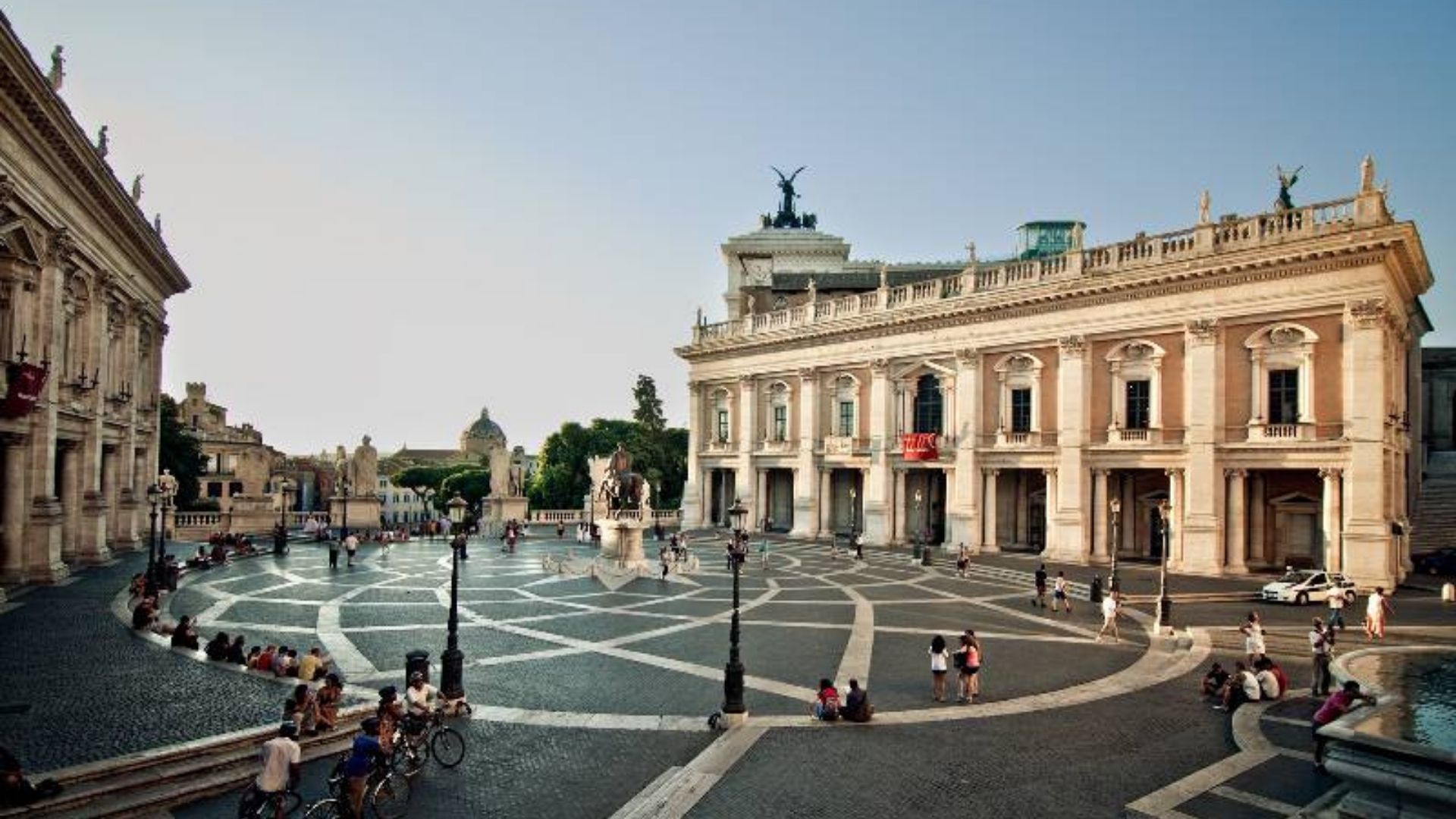
The museums display the original bronze equestrian statue of Emperor Marcus Aurelius, while a replica stands outdoors in Piazza del Campidoglio.
Michelangelo Buonarroti redesigned Piazza del Campidoglio during the Renaissance, creating one of Rome's most beautiful public squares.
Yes. Families often enjoy discovering Roman emperors, mythology, ancient sculptures, and fascinating archaeological artifacts through engaging guided tours.
Yes. Most areas of the Capitoline Museums are accessible to visitors with reduced mobility, with elevators and accessible routes available.
Photography for personal use is generally permitted in most galleries, although flash photography and tripods may be restricted.
Yes. Guided tours are commonly offered in English, Italian, Spanish, French, German, Portuguese, and several other languages.
Yes. Although the Capitoline Museums are generally less crowded than the Vatican Museums, advance booking is recommended, especially during weekends, holidays, and peak tourist seasons.
Yes. The museums are located near the Roman Forum, Colosseum, Piazza Venezia, and Palatine Hill, making them easy to combine with a day exploring Ancient Rome.
Absolutely. The Capitoline Museums offer one of the richest collections of Roman art and archaeology in the world, providing an essential complement to visits to the Colosseum and Roman Forum.
Bring your booking confirmation, a valid photo ID if required, comfortable walking shoes, and a camera if photography is permitted.
The Capitoline Museums Tour offers a fascinating journey through more than two thousand years of Roman history. With expert guidance, you'll discover legendary sculptures, priceless archaeological treasures, Renaissance masterpieces, and breathtaking views over the Roman Forum, making it one of the most rewarding cultural experiences in Rome.
0 review
0 review




Leave a review