from 0 review
1 hour
Daily Tour
20 people
English, Spanish
In Rome, this thermal complexes became in fact incomparable places of socialisation and leisure, where there was a great movement of citizens of every social stratum, men and women (for which, however, separate times and spaces were provided).
That’s why, we are enthusiastic to take you on the journey and introduce You to the everyday lives of Romans, by following their footsteps inside this ancient building. You will learn about the complex sewage systems they invented and implemented on their structures, considered ingenues even today.
The place for building for bathing and body care, but also a place for relaxation, sport and studying. The central block consists of the caldarium, the area intended for hot baths and steam, then the tepidarium, a transition environment from the moderately warm temperature, the frigidarium, for invigorating baths in cold water. There was also the natatio, a large swimming pool with huge granite columns, niches, and statues, from which the thermal path began.
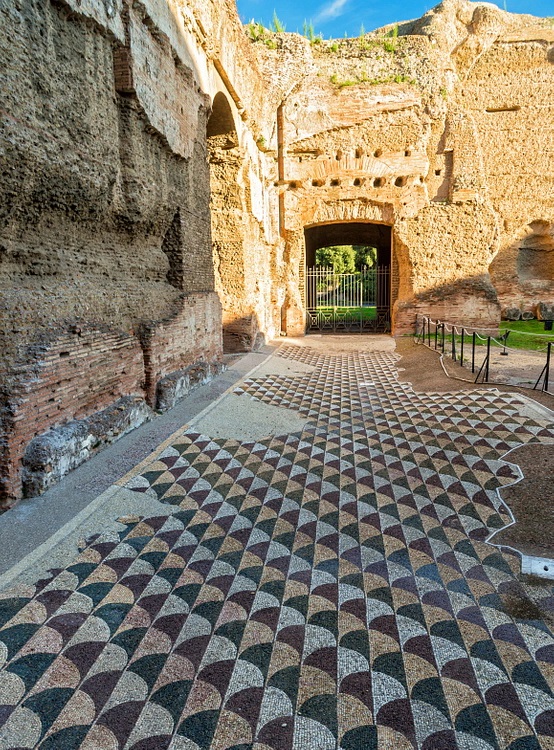
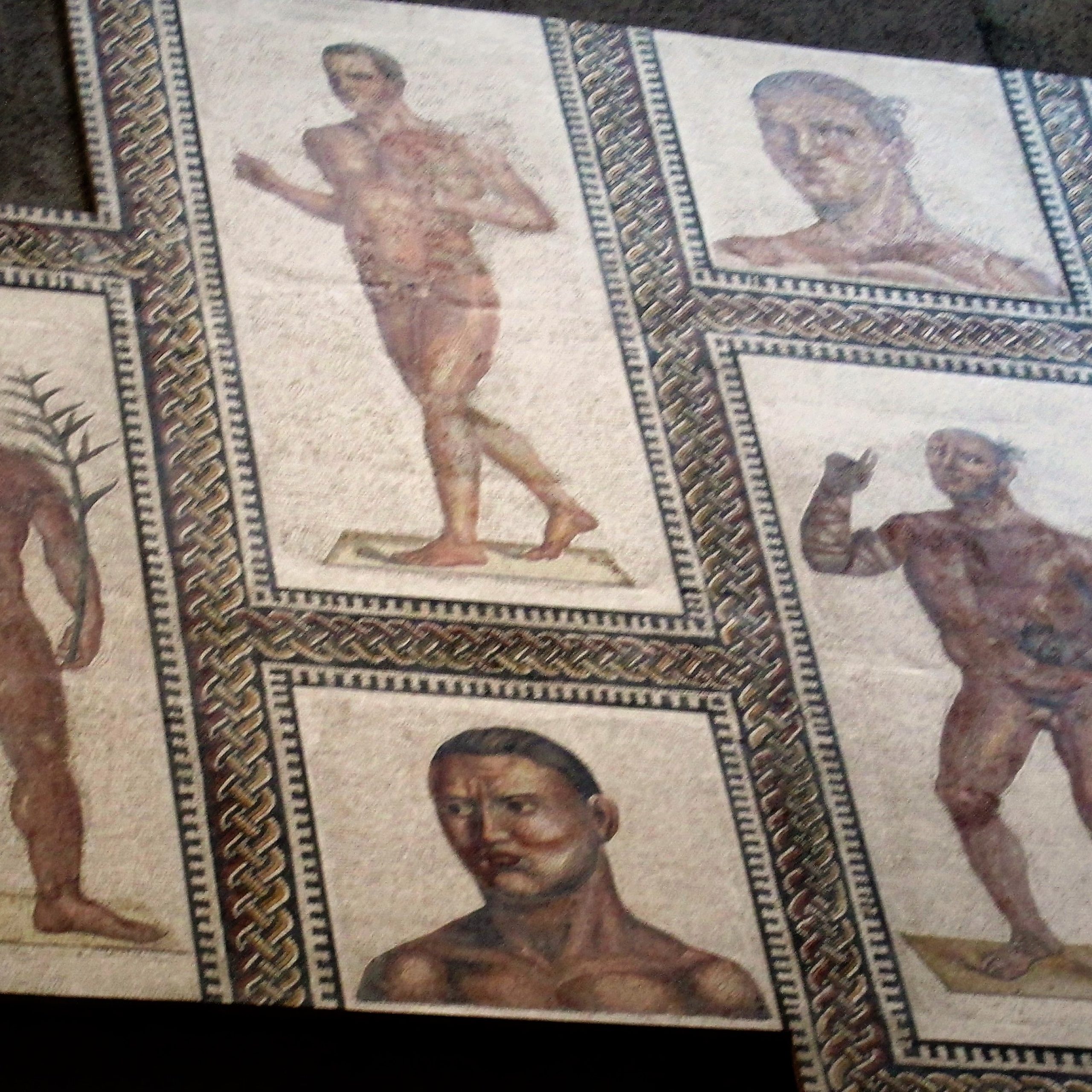
On the sides were the two gyms and the changing rooms (the apodyteria) are embellished still today by the ancient mosaics, of great finesse. Over time, the excavations have brought to light magnificent works of art that embellished it, some of which are exhibited, in the Vatican Museums there are other tanks and a large mosaic with 28 figures of athletes.
In the central area there are the two symmetrical rectangular libraries . The front had no wall but an imposing marble colonnade of ten columns through which one entered the library. In the centre of the back wall was the usual recess that must have housed the colossal statue of the emperor. In the spaces on both sides of the recess and alongside walls, there were niches for bookcases.
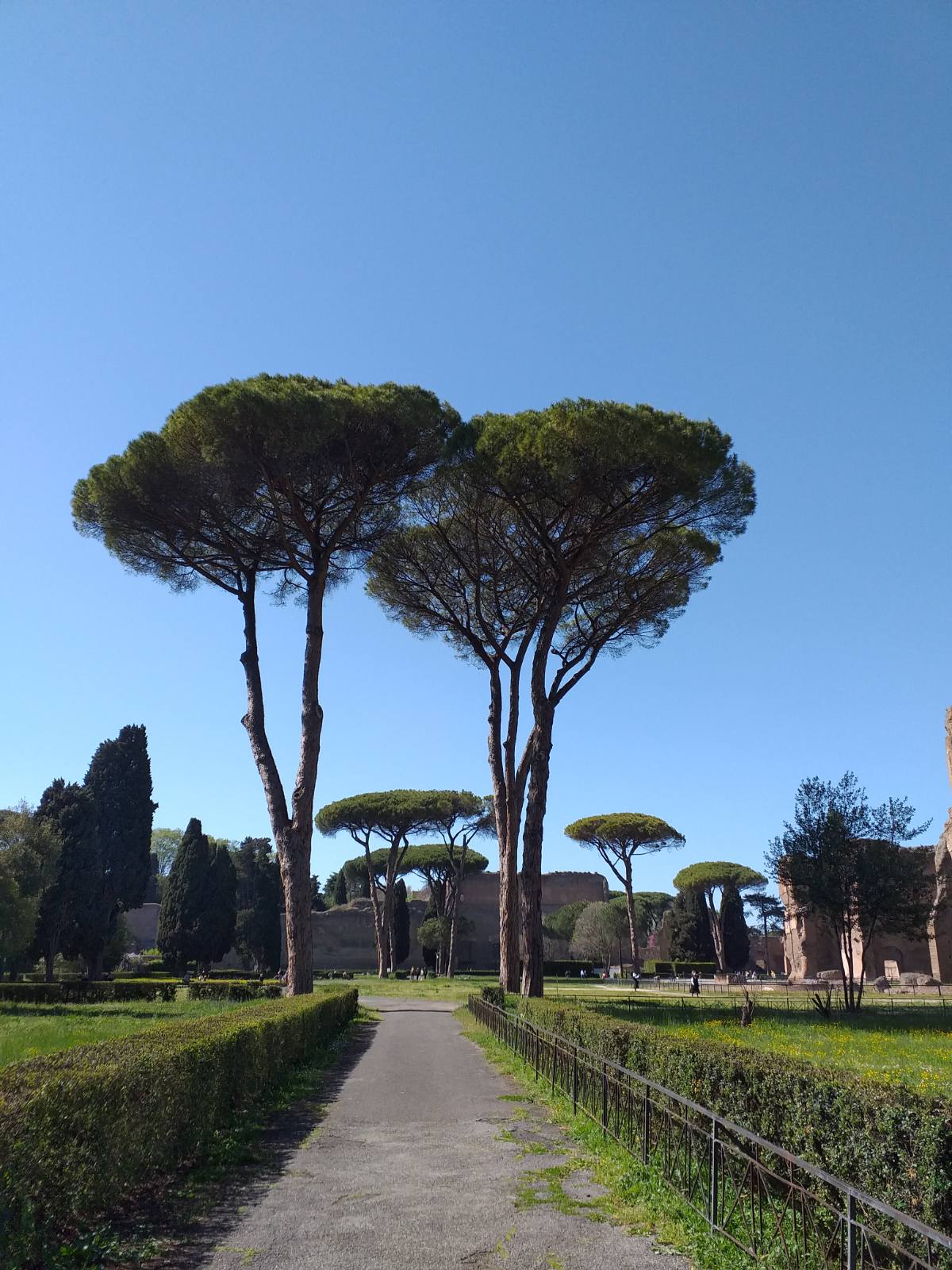
In addition to the central rooms of the complex, green areas enlivened the space between the enclosure and the central body. It seems that its walkway, the xystus, was covered by a magnificent pergola, as it was used at the time, and that probably we would have liked it today.
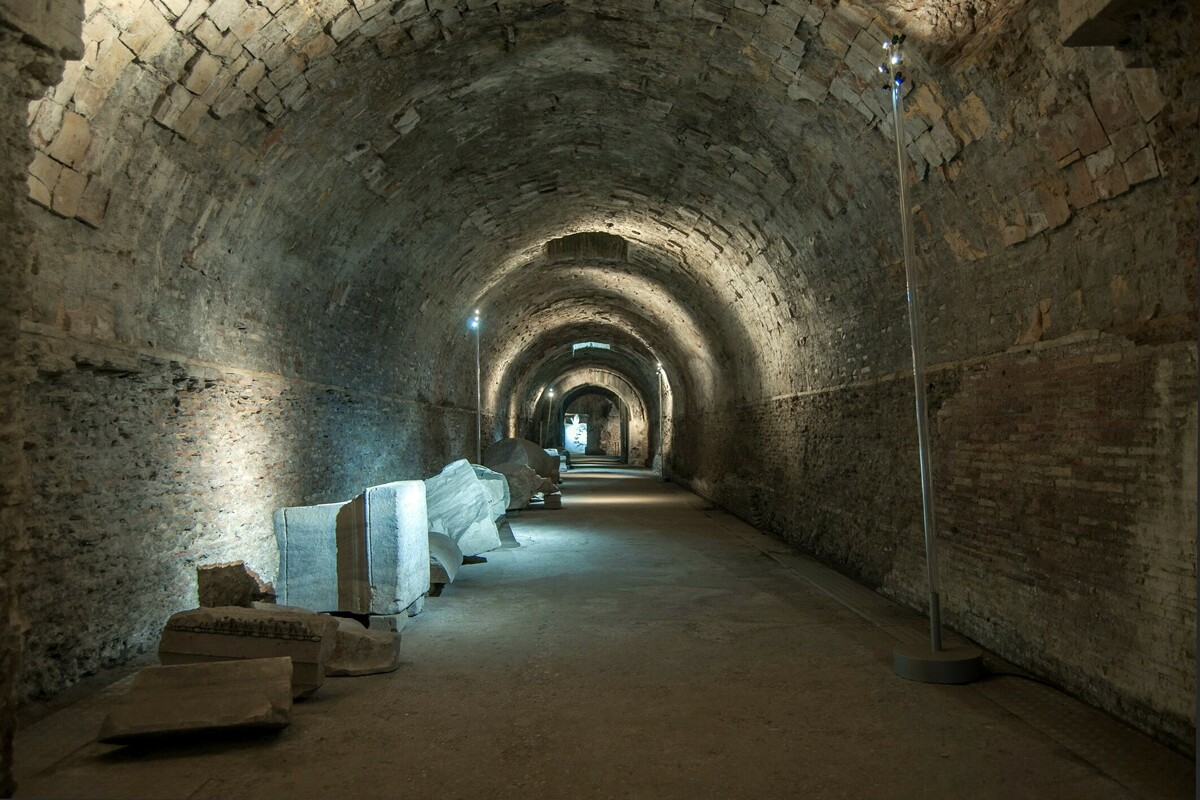
The Baths of Caracalla also included underground service rooms were it was the fulcrum of the life of the complex, the place where hundreds of slaves and skilled workers worked able to operate the ingenious technological machine of the Baths and also to ensure heating by the circulation of hot water under the floors. Heat was generated in environments where large amounts of timber were burned.
In this place there is also the Mithraeum, one of the largest preserved in the city of Rome. It is still recognisably the space for the initiation rituals of the adepts to the cult of good Mithra and denotes the strong proximity to the cults of oriental origins.
Your visit to the Baths of Caracalla will therefore be an engaging journey, which will project you into what was a city within the city. It will give you the perception of the bustling spa life. Among Roman matrons, perfumes poured into water, men discussing politics and poetry, and a lot, a lot of water.
Don’t miss this wonderful opportunity to visit a Caracalla Baths complex that withstood the test of time!


Forbidden: bottles, glass containers, alcohol , spray cans, penknifes

- Wheelchair accessible
-Suitable for children
- No access with animals.
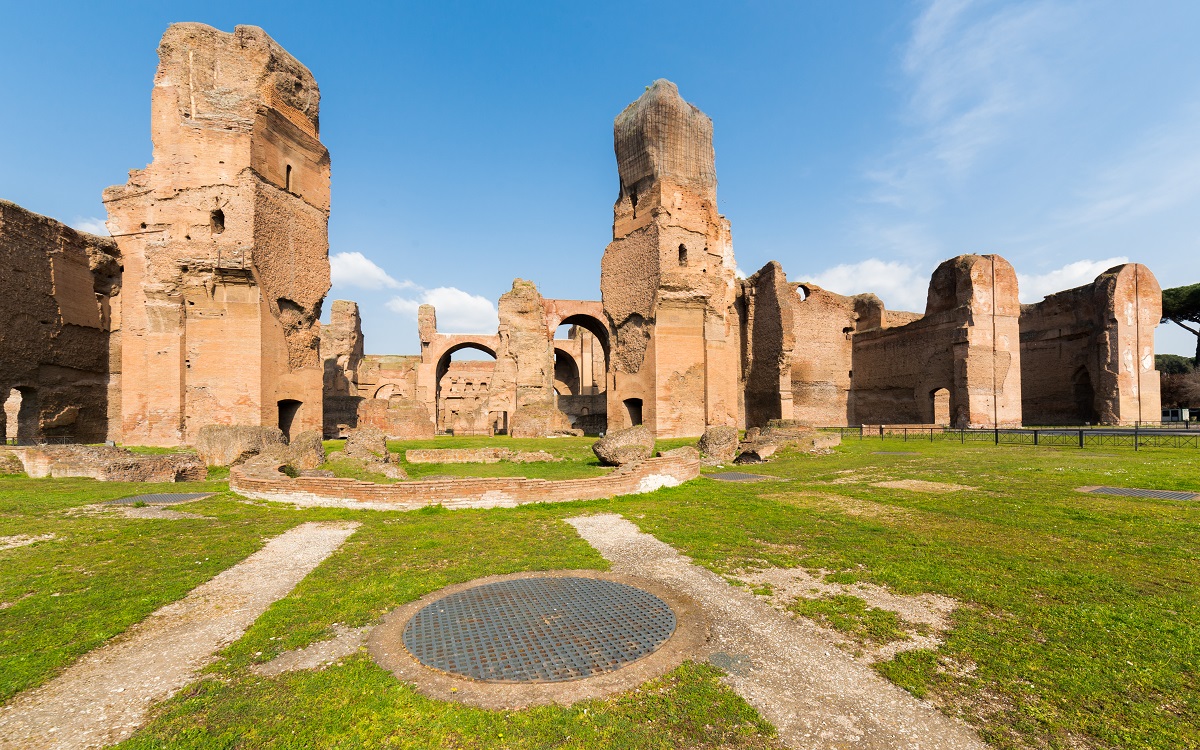
The Baths of Caracalla are one of the largest and best-preserved ancient Roman bath complexes. Built in the 3rd century AD under Emperor Caracalla, they once welcomed thousands of visitors each day and featured baths, gardens, libraries, and exercise areas.
A typical tour includes entry to the archaeological site and expert commentary about Roman bathing culture, architecture, engineering, and daily life in Ancient Rome.
Most guided tours last 1.5 to 2 hours, giving visitors enough time to explore the main ruins and learn about their fascinating history.
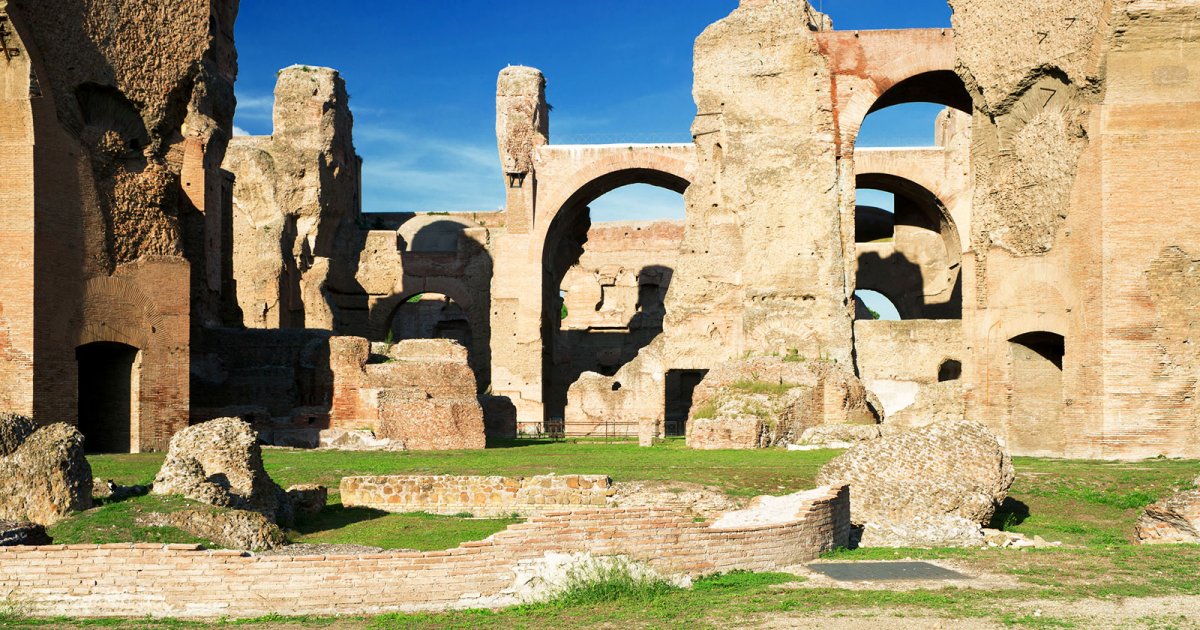
The Baths of Caracalla are famous for their enormous scale, sophisticated Roman engineering, luxurious marble decoration, impressive mosaics, and advanced heating system that made them one of the greatest public bath complexes of the Roman Empire.
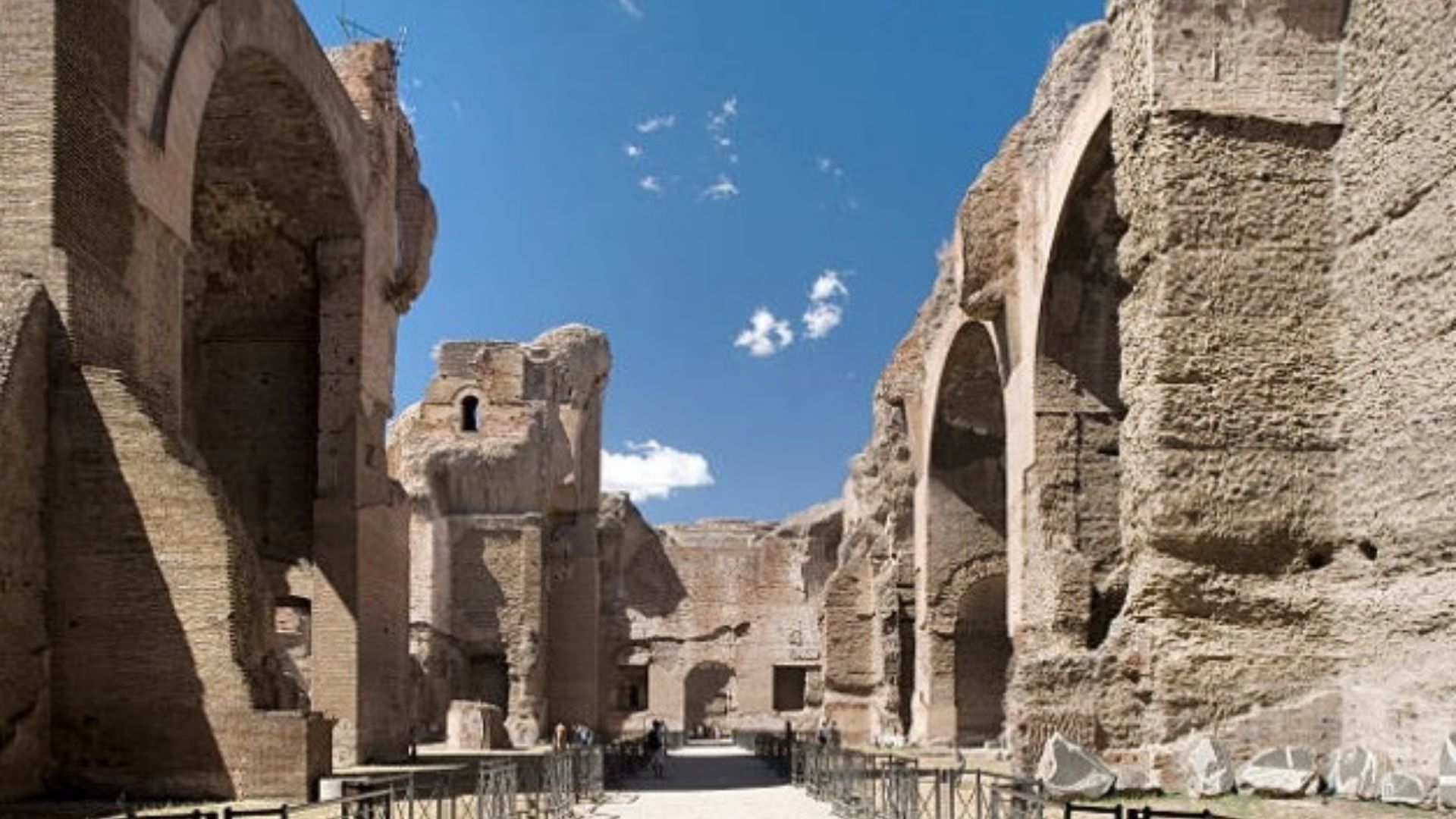
Visitors can explore the remains of the hot, warm, and cold baths, massive vaulted halls, ancient swimming pools, gardens, mosaic floors, underground service tunnels, and towering brick walls that reveal the grandeur of Imperial Rome.
No. They served as a social and cultural center where Romans exercised, read in libraries, relaxed in gardens, met friends, and attended cultural activities in addition to bathing.
Yes. Families often enjoy exploring the enormous ruins while learning how Ancient Romans lived, relaxed, and socialized nearly 2,000 years ago.
Many areas of the Baths of Caracalla are accessible, but some pathways are uneven due to the archaeological nature of the site. Visitors should check accessibility information before booking.
Wear comfortable walking shoes, lightweight clothing during warm weather, sunscreen, and a hat, as much of the archaeological site is outdoors.
Yes. Photography for personal use is generally allowed, making the site a popular destination for architecture and history enthusiasts.
A guided tour provides valuable historical context and explains how the baths operated, making it easier to appreciate the engineering, architecture, and daily life of Ancient Rome.
While no longer functioning as baths, the site occasionally hosts concerts, opera performances, and cultural events during the summer, creating a unique atmosphere among the ancient ruins.
Construction began around AD 212 during the reign of Emperor Caracalla, and the baths opened a few years later, making them nearly 1,800 years old.
Yes. Many tours are offered in English, Italian, Spanish, French, German, and other languages depending on availability.
The Baths of Caracalla showcase the extraordinary engineering achievements of Ancient Rome. Their massive scale, sophisticated heating system, intricate mosaics, and luxurious design demonstrate the wealth and innovation of the Roman Empire.
Yes. Many visitors combine the Baths of Caracalla with nearby attractions such as the Appian Way, Circus Maximus, the Colosseum, and Palatine Hill for a full day exploring Ancient Rome.
The Baths of Caracalla offer one of the best opportunities to experience the grandeur of Ancient Rome beyond the Colosseum. With monumental ruins, fascinating history, and fewer crowds, they provide a deeper understanding of Roman engineering, architecture, and everyday life.
0 review








Leave a review