from 0 review
1 hour 30 min
Daily Tour
20 people
English, Spanish
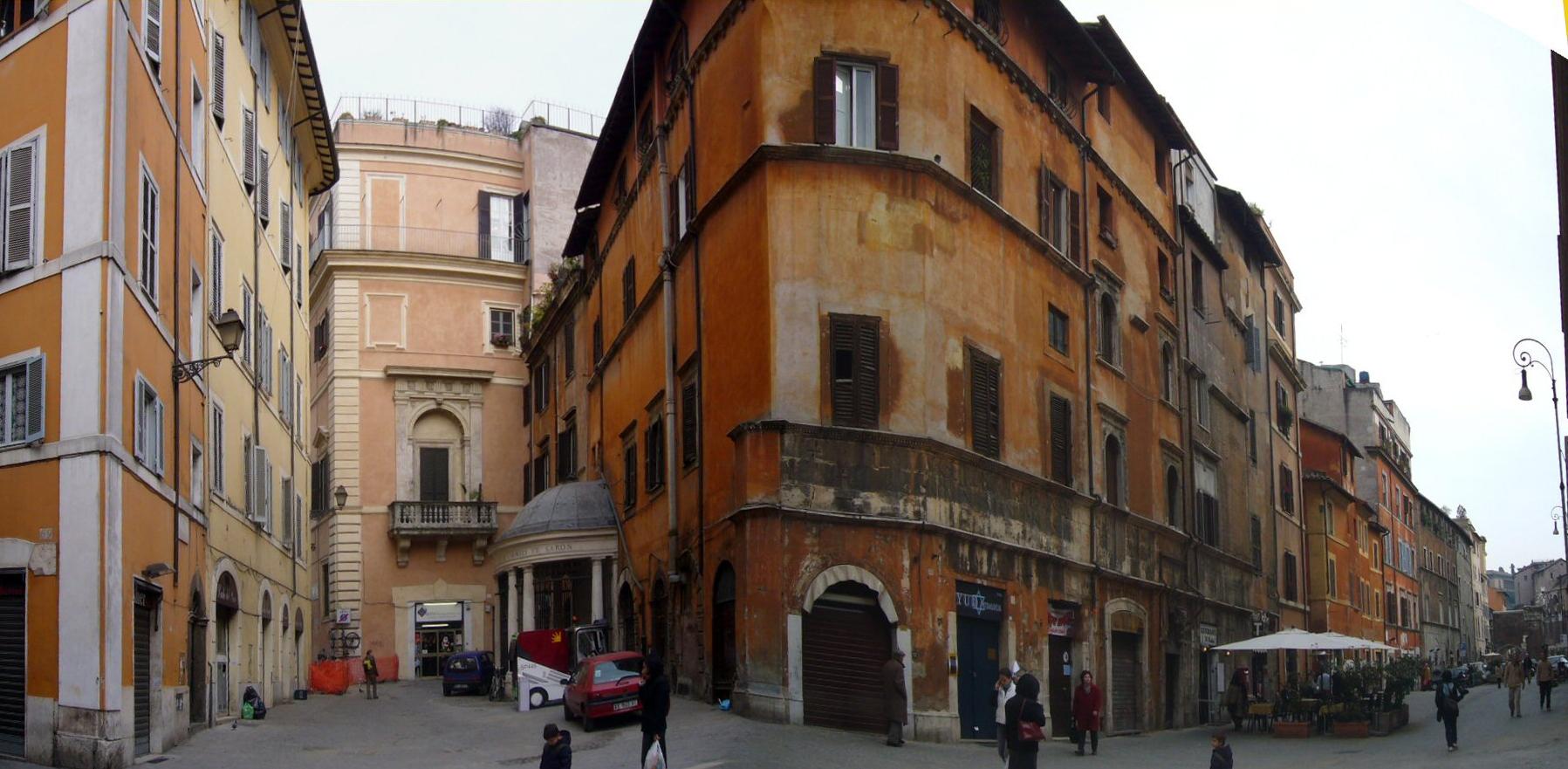
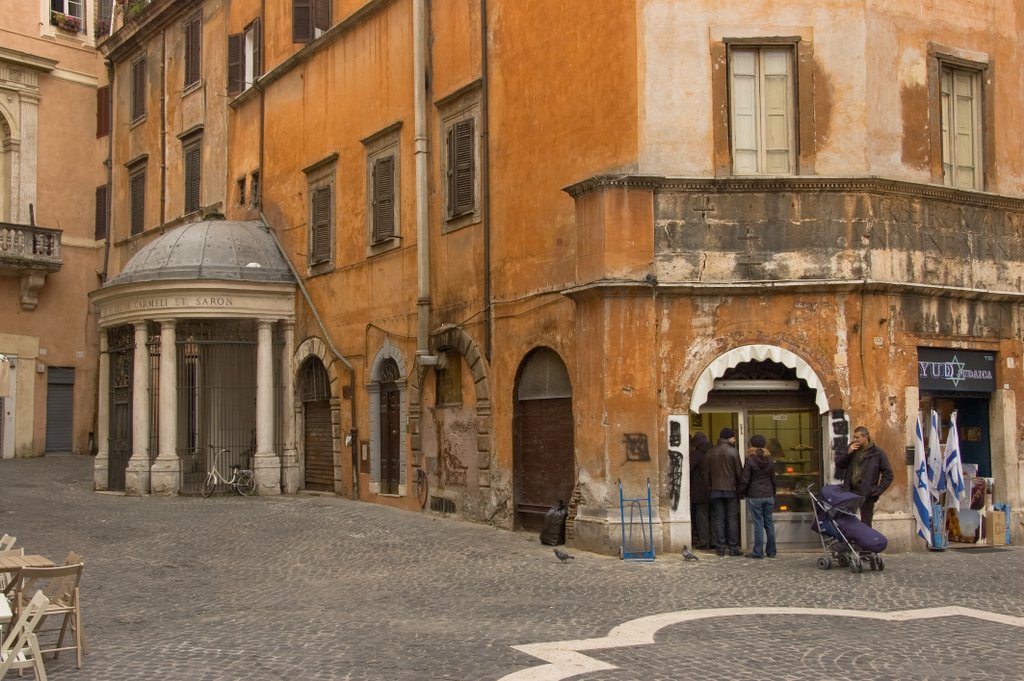
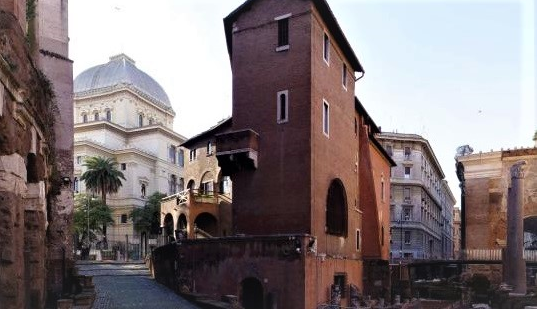
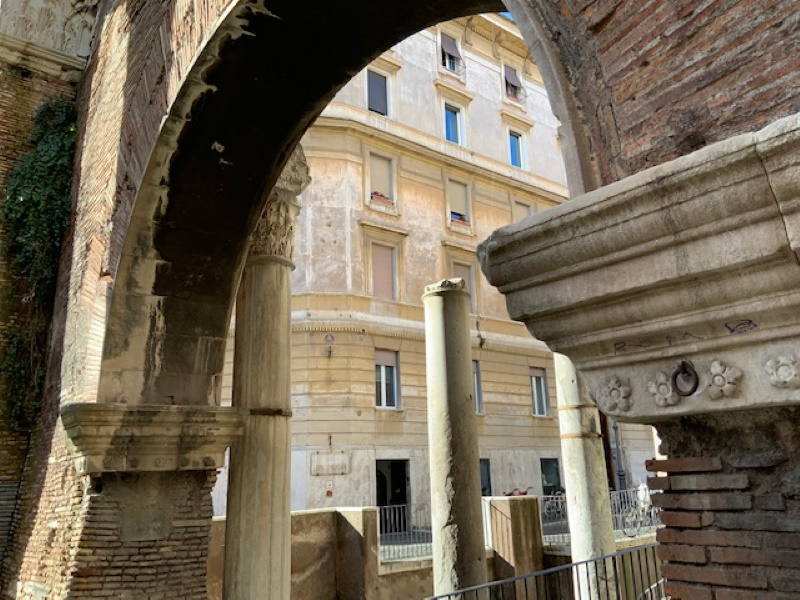
The history of Jewish Ghetto in Rome takes us back in time to Roman times, with the road called Portico D’Ottavia, which will also be our first stop in the visit. This area of the is a real open museum.
His name choose Emperor Augustus, dedicating it to his sister Octavia. Think that it was made between 33 and 23 BC, only this can make you understand how much history has passed in this small corner of Rome. Over the centuries it has been renovated several times,
Right next door is also the Teatro Marcello, a structure very similar to that of the most important amphitheatre in the world! But it is not!
This theatre was in fact-built years before, and was fundamental for the design of the Colosseum, theatre was often used in Ancient Rome, and if today we can see arena’s like the Colosseum or the Arena of Verona, in part you also owe it to this beautiful theatre.
But the era of Ancient Rome mixes in this place with another reality, very different that still testifies to the suffering and pain of the Jewish people.
You must know that over the centuries Jews have been forced to stay in this neighbourhood, hence the name “Jewish Ghetto”. It was Pope Paul IV Carafa who built it in order to better control and supervise the Jews present in the city.
The population was thus forced to reside only in this part of the city, in very poor conditions and in maximum poverty. The Jews could in fact leave the Ghetto only at dawn but were obliged to return at sunset: special doors, whose keys were in the possession of some noble and powerful Christian families, were closed at night and always guarded by guards.
The area of the Portico d’Ottavia became in fact the protagonist of one of the darkest pages of history: it was here that on October 16, 1943, the Jews of the Ghetto were gathered to be deported to Nazi concentration camps.
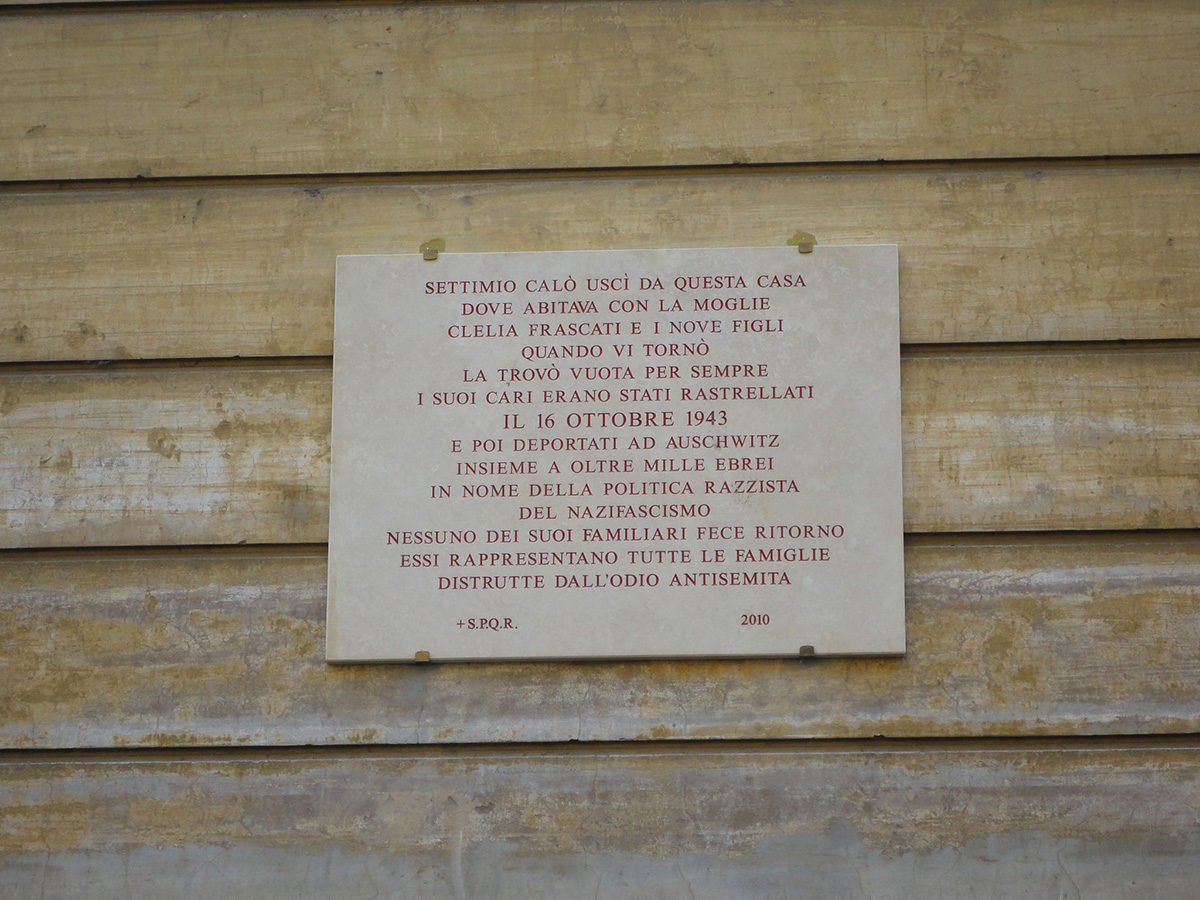
One of the things you will surely notice when you follow the guides through the streets of this neighborhood is that on the walls there are often commemorative plaques.
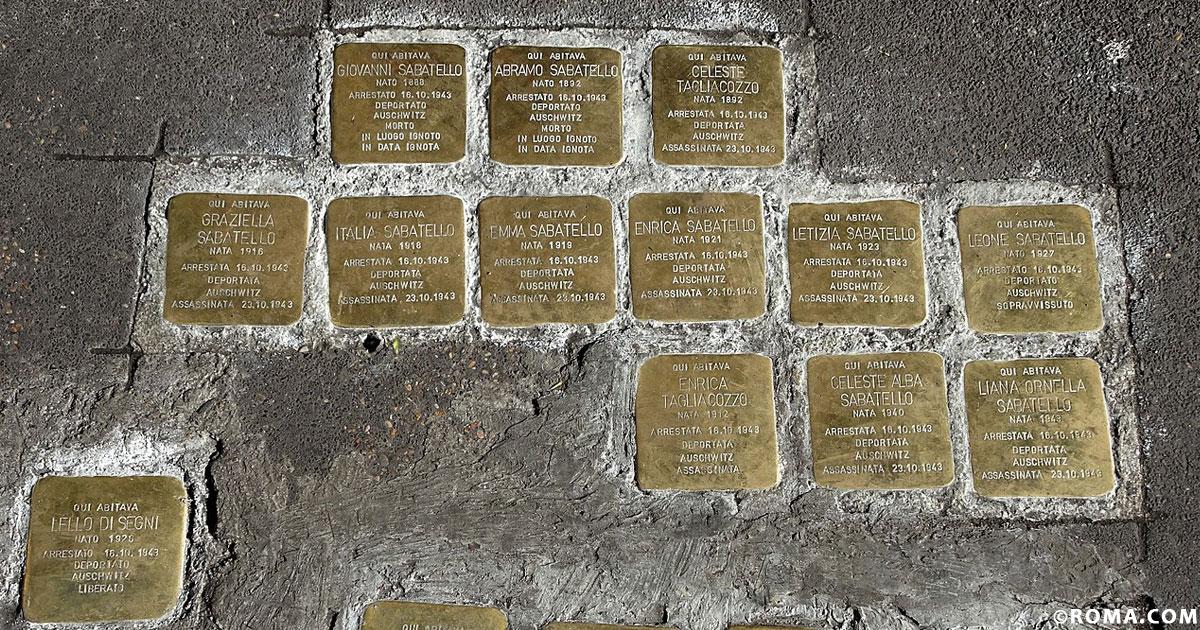
You should know that another of the peculiarities of the Jewish Ghetto is that it has many small alleys that characterise it. Walking you will happen to see cobblestones different from the usual. They are made of brass and immediately catch the eye because they are golden in color. They are usually given the name stumbling blocks.
On each stumbling block you will notice the phrase “Deported Auschwitz” with the date of death, and you will be very impressed to look at them closely.
The first stop we will visit is the Great Temple of Rome from the outside, the largest synagogue in the city. It is in the heart of the neighbourhood. This place of worship has been very important for many people is visible from most of the Roman viewpoints.
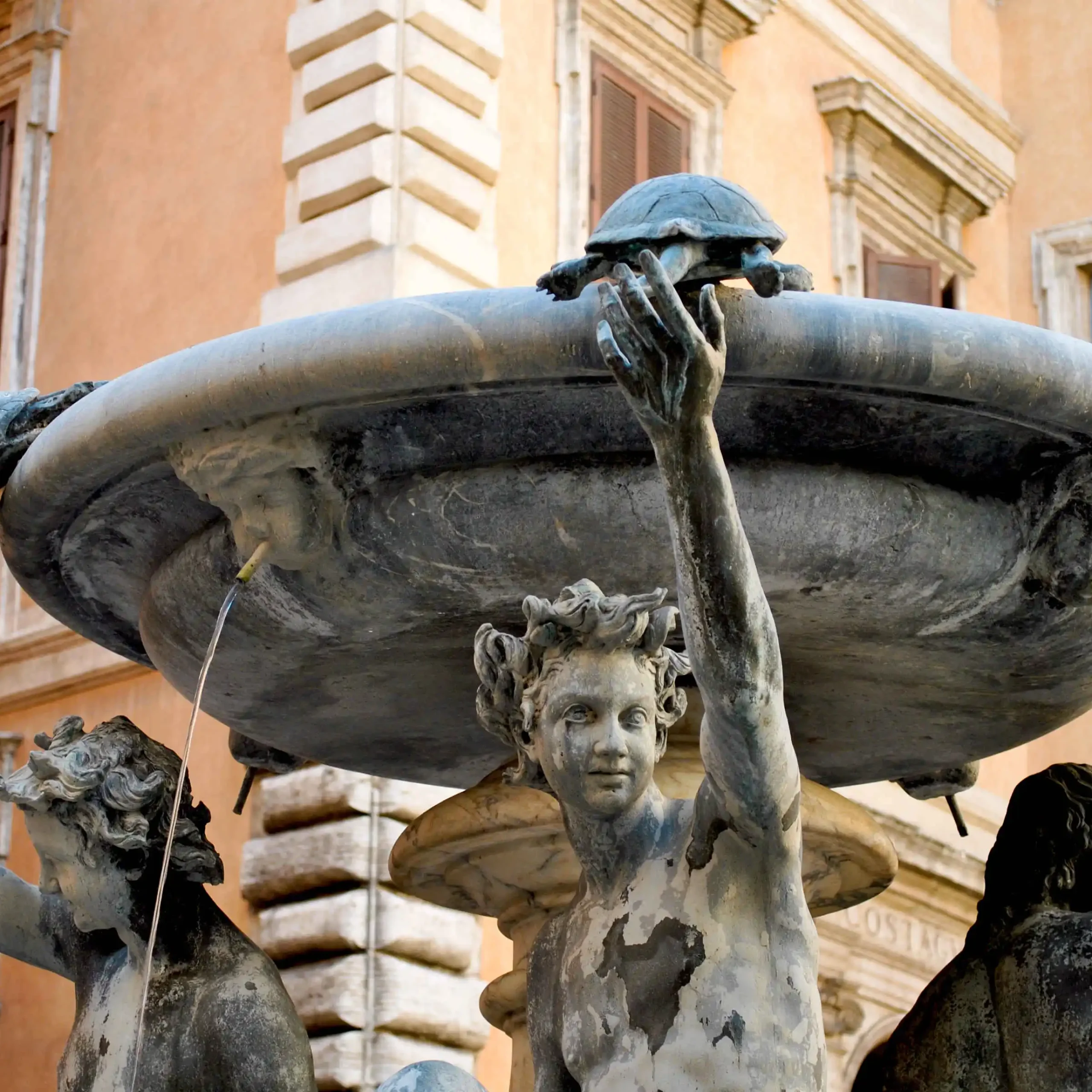
Then we will head towards Piazza Mattei to admire one of the fountains that you absolutely must see in Rome: the Fountain of the Turtles! We are talking about a small monument that contains beauty and a truly unique history. A legend tells that Duke Mattei had this fountain built in a single night to amaze the father of the girl he wanted to marry because he was against this marriage.
You will understand in this point of the tour that are legends to give a magical touch to the visit, allowing you to look at everything with different eyes. If you want to learn more about Rome’s legends and mysteries you can join our Ghosts in Rome tour also.
We will finish our walk behind the fountain, where is a building that was very important for Jews during World War II. The family staying inside this palace allowed many Jews to take refuge in its rooms, as Germans where entering inside the Ghetto. The purpose we all know was to deport and murder Jews. This gesture allowed many men, women, and children to survive.
Check also Underground Rome private tour…



The Jewish Ghetto of Rome is one of the oldest Jewish quarters in Europe, established in 1555 by papal decree. Today, it is a vibrant neighborhood known for its rich history, beautiful architecture, kosher restaurants, and one of the oldest continuous Jewish communities in the world.
Most tours include a guided walk through the historic Jewish Quarter, visits to its main landmarks, and expert commentary on Jewish history, culture, traditions, and the community's role in shaping Rome.
Depending on the itinerary, you may visit the Great Synagogue of Rome, Portico of Octavia, Piazza Mattei, the Tiber Island area, historic streets, ancient Roman ruins, and traditional kosher bakeries and restaurants.
The Jewish Ghetto represents more than 2,000 years of Jewish history in Rome. It tells the story of resilience, cultural identity, religious tradition, and the long-standing contribution of the Jewish community to the city's history.
Many tours include a visit to the Great Synagogue of Rome and the Jewish Museum of Rome, depending on opening hours and the tour option selected.
Most guided tours last 2 to 3 hours, allowing visitors to explore the neighborhood while learning about its history and traditions.
Yes. The tour is ideal for first-time visitors who want to discover one of Rome's most fascinating and historically significant neighborhoods beyond the city's famous ancient monuments.
Yes. The tour explores Jewish traditions, religious customs, local history, cuisine, architecture, and the unique relationship between the Jewish community and Rome over the centuries.
Yes. Families are welcome, and older children often find the stories of Roman history, Jewish heritage, and cultural traditions both educational and engaging.
Many tours include free time or optional stops at traditional kosher bakeries or restaurants where visitors can sample famous Roman Jewish specialties such as carciofi alla giudia (Jewish-style fried artichokes).
Yes. Most Jewish Ghetto experiences are walking tours through the historic neighborhood, allowing visitors to discover hidden streets, piazzas, and important cultural landmarks.
Yes. Jewish Ghetto Tours are commonly offered in English, Italian, Spanish, French, German, Portuguese, and several other languages.
Wear comfortable walking shoes and weather-appropriate clothing. If entering religious sites such as the synagogue, modest attire may be required.
Photography is generally permitted in outdoor public areas. Rules inside the synagogue or museum may vary, and visitors should always follow staff instructions.
Yes. Advance booking is recommended, especially if your tour includes entry to the synagogue or Jewish Museum, where visitor numbers may be limited.
Absolutely. The Jewish Ghetto is one of Rome's most authentic and culturally significant neighborhoods, offering visitors a unique combination of history, religion, architecture, and exceptional local cuisine.
Yes. The Jewish Ghetto is within walking distance of Campo de' Fiori, Piazza Venezia, Capitoline Hill, the Pantheon, and Trastevere, making it easy to include in a full day of sightseeing.
The Jewish Ghetto Tour offers a deeper understanding of one of Rome's oldest communities through expert storytelling, remarkable historical landmarks, and authentic local traditions. Whether you're interested in history, religion, culture, or cuisine, this experience reveals a fascinating side of Rome that many visitors overlook.
0 review






Leave a review