from 0 review
2
Daily Tour
20 people
English
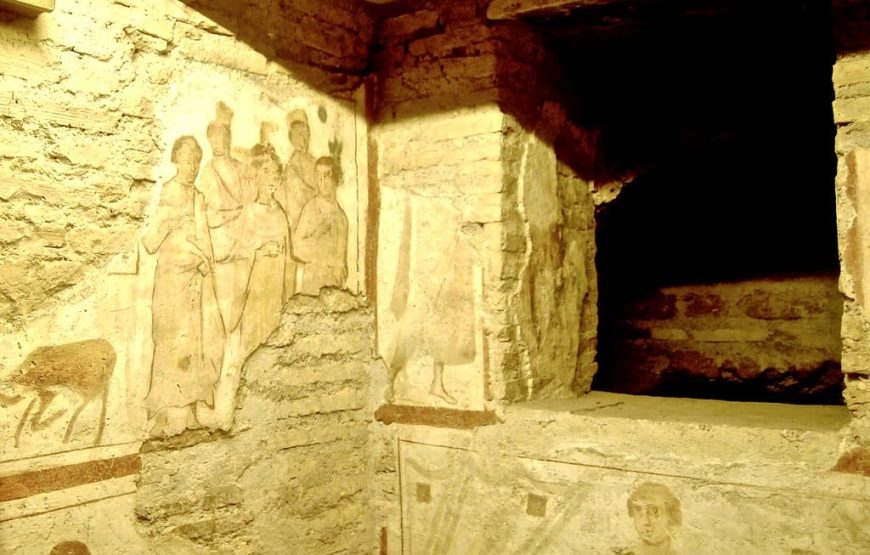
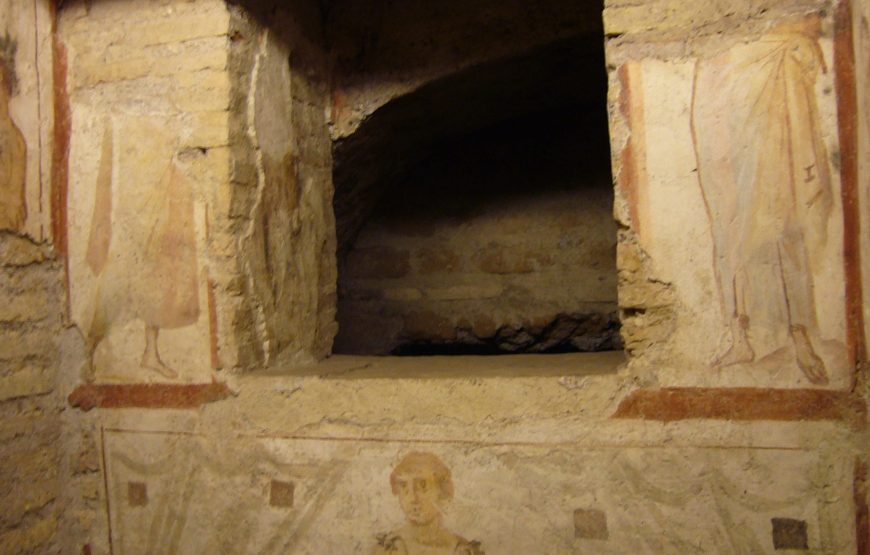
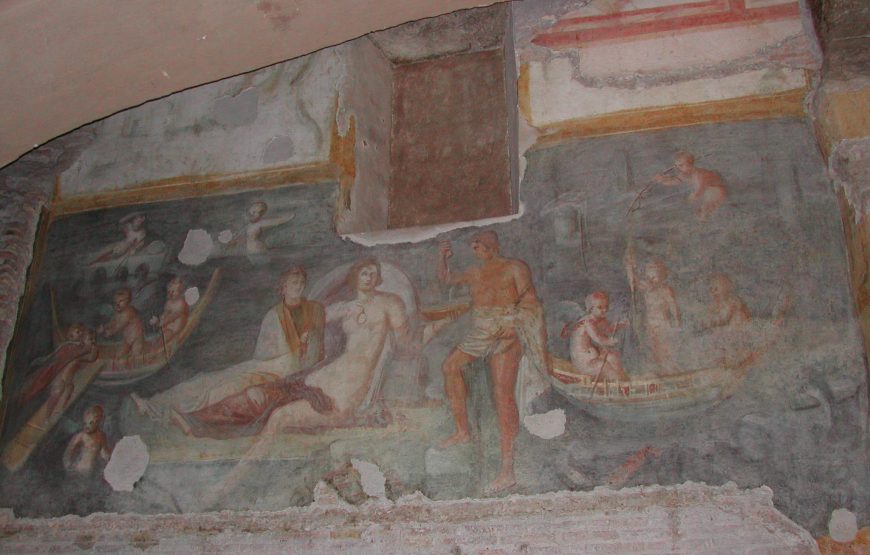

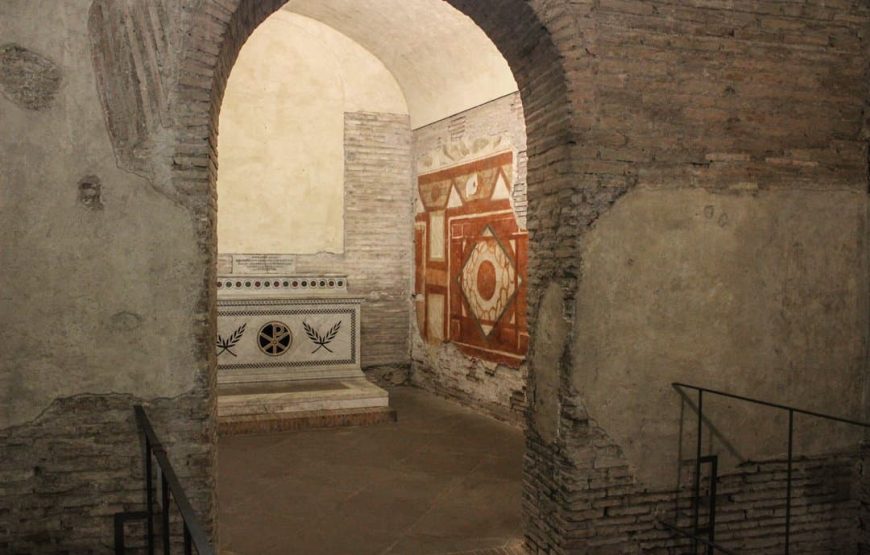

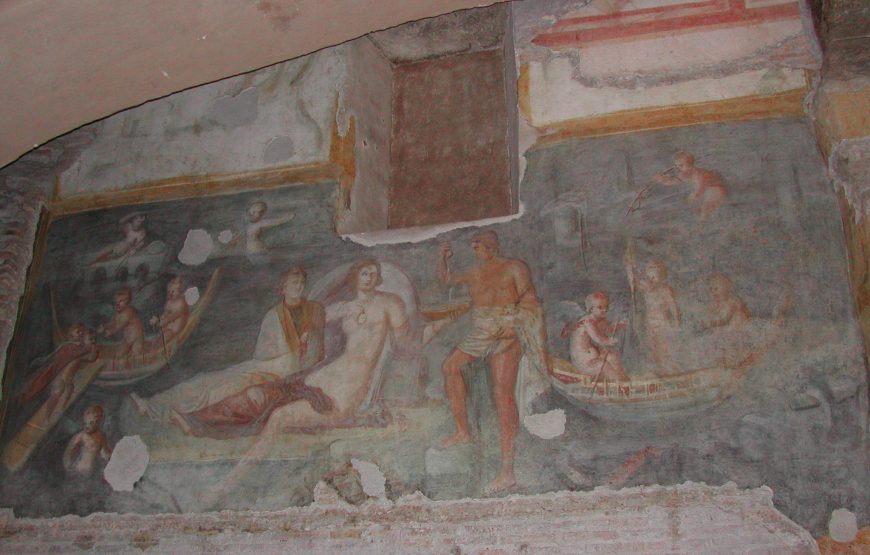
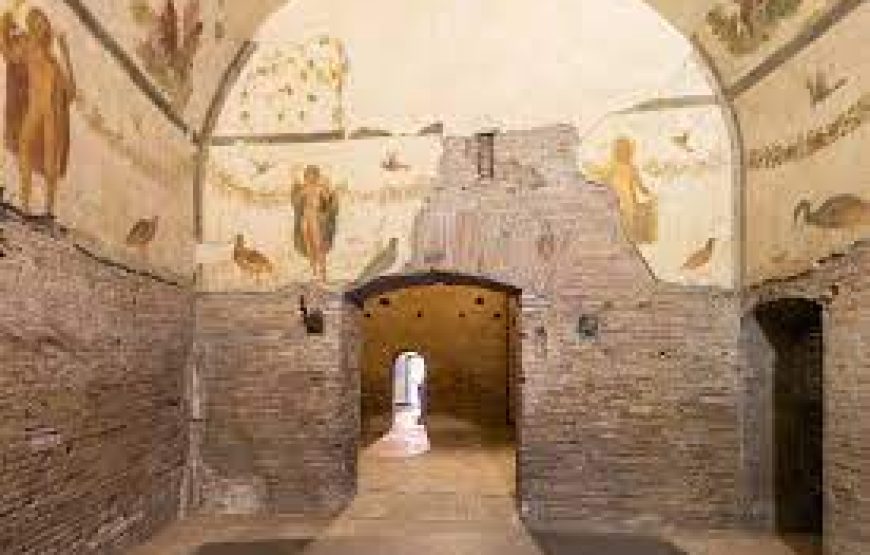
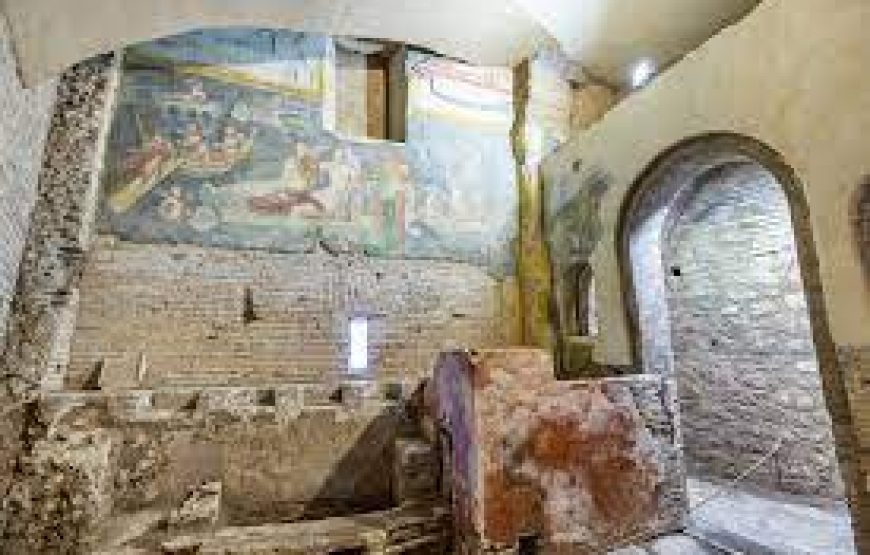
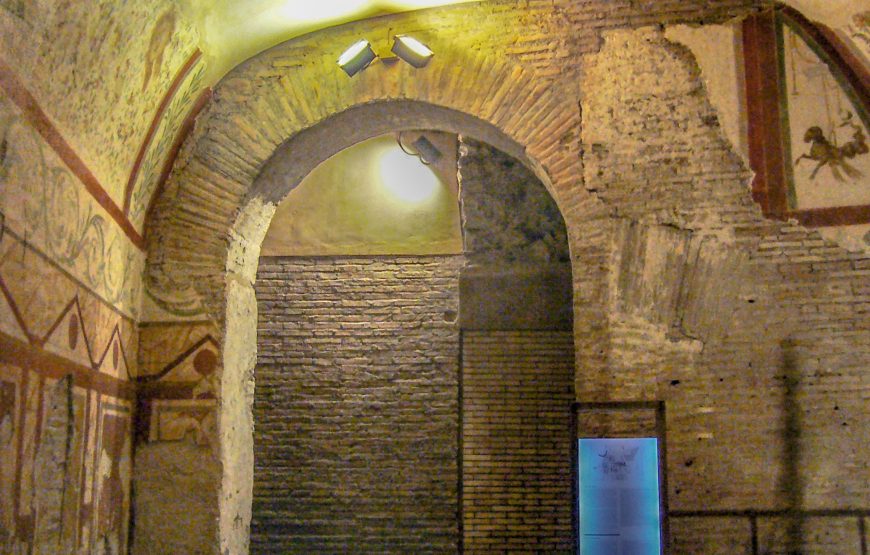
Nestled in the heart of ancient Rome lies a truly fascinating site with deep historical roots, Roman houses, dating all the way back to the early fifth century BC. This incredible complex was originally founded by Palmachniks, a Roman senator whose legacy lives on through the intricate and layered architecture that remains to this day. What makes this site particularly unique is its evolution over time — from humble beginnings to a richly decorated Roman residence, it beautifully showcases how Roman life and architecture changed through the centuries.
At first glance, the site reveals a maze-like arrangement of buildings that were constructed during different periods. Among them are several Roman houses, each representing a different era and style. These aren’t just ruins — they’re windows into the everyday lives of people who lived, worked, and worshipped in ancient Rome. The layout includes everything from simple, functional spaces to elaborately adorned rooms filled with artistic and architectural detail. Walking through the complex, one can almost hear the echoes of Roman voices and feel the pulse of a once-thriving community.
One of the earliest components of the complex was an insula, or apartment-style building. These types of structures were typically inhabited by craftsmen and artisans, giving us a glimpse into the working-class life of ancient Rome. The insula’s design was practical and modest, intended to house multiple families or individuals in a compact space. It’s a striking contrast to the more luxurious elements that would be added later.
As the area developed and changed hands over time, new structures were added. One of the most impressive transformations occurred when part of the property was converted into a domus, a large and opulent Roman house that would have belonged to a wealthy citizen. These houses were often built around central courtyards, with beautifully frescoed walls, detailed mosaics, and elegant architectural elements. What’s truly captivating is how this particular domus was later repurposed and converted into an early Christian church — a testament to the religious and cultural shifts that took place during the later years of the Roman Empire.
By the third century A.D., these once separate buildings and properties were unified under the ownership of a single, presumably affluent individual. This allowed for a complete transformation of the space into one cohesive and elegant residence. This newly formed home retained elements of its pagan origins, including richly decorated rooms filled with classical motifs. The blend of earlier functional buildings with the later luxurious additions creates a unique tapestry of Roman architectural evolution.
Today, visitors to the site can witness firsthand how Roman daily life was influenced by changing times, tastes, and beliefs. The preserved sequence of rooms, structural layers, and artistic details offer a rich narrative about the lives of both ordinary citizens and the elite. Whether you’re a history enthusiast or just curious about ancient civilizations, this remarkable complex offers a vivid and immersive experience of life in ancient Rome.
- Forbidden: eating, smoking, taking photographs, alcohol, carry large umbrellas, no trolley, suitcases

- Wheelchair accessible
-Suitable for children
- No access with animals.

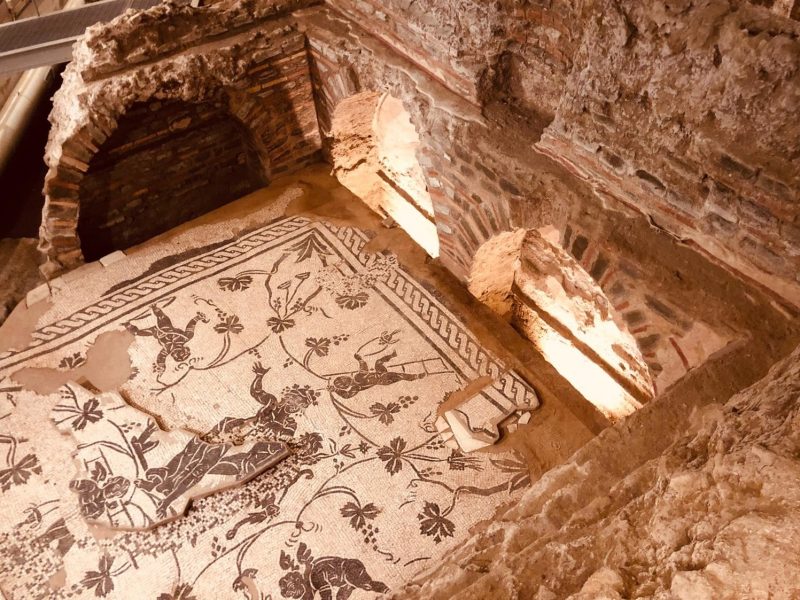
The Roman Houses (Case Romane del Celio) are a remarkable underground archaeological site located beneath the Basilica of Saints John and Paul in Rome. They preserve beautifully decorated rooms, frescoes, and the remains of ancient Roman homes dating from the 2nd to 4th centuries AD.
The tour includes admission to the Roman Houses and expert commentary explaining the history, architecture, frescoes, and transformation of the buildings from private homes into places of Christian worship.
Most tours last between 1 and 1.5 hours, allowing visitors to explore the underground rooms while learning about daily life in Ancient Rome.
The Roman Houses are famous for their exceptionally preserved frescoes, elegant rooms, and unique insight into how wealthy Romans lived before the buildings became associated with early Christianity.
Visitors can explore ancient rooms, colorful wall paintings, mosaics, staircases, courtyards, storage areas, and archaeological remains that reveal centuries of Roman history beneath the modern city.
Yes. The Roman Houses are located beneath the Basilica of Saints John and Paul, making them one of Rome's most fascinating underground archaeological attractions.
Yes. The site is ideal for anyone interested in Ancient Rome, archaeology, early Christianity, or hidden attractions beyond the city's most famous monuments.
Yes. Most tours are led by licensed guides who explain the historical significance of the buildings, their artwork, and the lives of the people who once lived there.
Accessibility is limited because the archaeological site includes staircases, narrow passages, and uneven floors. Visitors should check accessibility details before booking.
Yes. Older children with an interest in history and archaeology often enjoy exploring the underground rooms and discovering how Romans lived nearly 2,000 years ago.
Photography policies vary depending on current conservation rules. Flash photography is generally not permitted to help protect the ancient frescoes.
Wear comfortable walking shoes and light clothing. Since the Roman Houses are underground, temperatures are generally cooler than outside.
Yes. During the late Roman Empire, parts of the complex were adapted for Christian use, making the site important for understanding the transition from pagan Rome to Christian Rome.
Many tours are available in English, Italian, Spanish, French, German, and other languages, depending on availability.
Yes. Visitor numbers are often limited to help preserve the archaeological site, so advance booking is recommended.
Absolutely. The Roman Houses offer one of Rome's best-preserved underground archaeological experiences, combining Roman art, architecture, archaeology, and early Christian history in a peaceful setting away from the city's busiest attractions.
Yes. The Roman Houses are located close to the Colosseum, Palatine Hill, Circus Maximus, and the Baths of Caracalla, making them easy to include in a day exploring Ancient Rome.
A Roman Houses Tour offers a rare opportunity to step inside authentic ancient Roman homes preserved beneath modern Rome. With beautifully preserved frescoes, fascinating archaeological discoveries, and expert historical interpretation, it is one of the city's most rewarding hidden gems for history lovers.
0 review


Leave a review